
Reducing Your Neuropathy Risk

Why You Shouldn’t Ignore Your Neuropathy Symptoms
July 2, 2020
Natural Treatment for Peripheral Neuropathy
September 18, 2020

Did you know that your daily activities and diet can put you at risk for neuropathy? Improper posture and exercise injuries as well can lead to compressed nerves and musculoskeletal damage that causes neuropathy. Eating habits that lead to diabetes often leads to diabetic neuropathy, which accounts for 60% of all neuropathies. Find out more about these risk factors for neuropathy and tips to reduce your risk!
Neuropathy Risk and Peripheral Nerves
Peripheral neuropathy is the term used to describe nerve damage or defect in the body. A patient can have a single nerve damaged or they can have many (called mononeuropathy and polyneuropathy). Some patients will have single nerves damaged in different parts of their body (multiple mononeuropathy) due to a combination of injuries and chronic conditions. The majority of people will not have peripheral neuropathy that stays with them throughout the years. However, at least 20 million people in the United States will.
Many people have experienced neuropathy symptoms at some point due to injuries. You can injure a muscle in your body by simply moving at the wrong angle and speed, which leads to peripheral neuropathy. This is because delicate nerves line every part of your musculoskeletal system along the nervous system. The nervous system works with all your other systems in the body, with each nerve sending sensory information to the brain and spinal cord constantly. When injuries or chronic conditions damage even a single nerve, you have neuropathy symptoms present themselves.
Many patients get numbness or tingling in a part of their body, but those aren’t the only symptoms that happen. Other patients will have chronic pain that is debilitating, whereas others will have swelling, inflammation, tremors and muscle spasms, or a complete loss of movement in an area. Your daily actions with posture, exercise, eating and more contribute to your neuropathy risk.

Exercising and Injuries
Many cases of neuropathy happen due to injuries, especially exercise injuries. Only a small percentage of people learn the proper methods of lifting weights, running, training and performing specific movements in sports. Many people simply try to figure exercises or sports games out on their own, instead of investing time in studying why things are done a specific way. You may even be guilty of this. Have you ever started lifting weights without really knowing what you are doing? If so, you are increasing your neuropathy risk.
When lifting weights, proper posture and specific movements are significantly important for avoiding injury. There are ways to breathe, stand, and lift to avoid injury. Use these tips to reduce your neuropathy risk:
- Do a warm up for 5-10 minutes. Walk fast or do jumping jacks to get your muscles limber. Then, start your main workout.
- Don’t stretch cold muscles. You increase your risk for injury this way. Do a warm-up, then some light stretching, and do full stretching as a cool-down to your workout.
- Always lift with your legs, not your back, especially with squatting exercises.
- With arms, lift with your arms, not your back (unless doing back workouts).
- Always look up proper method and posture for every exercise or training program you do!
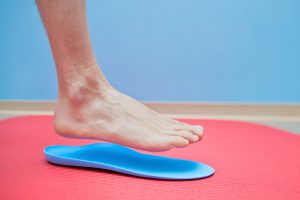
- Wear proper exercise attire, including shoes with proper support and protective gear for sports.
Diabetes and Neuropathy Risk
What is the #1 condition that raises your neuropathy risk? Diabetes. If you have diabetes or this disease runs in your family, your neuropathy risk is significantly higher. Peripheral neuropathy is one of the most common symptoms in people with diabetes. Diabetes is a metabolic disorder and patients are either genetically born with it, or they can develop it through their diet and exercise habits. This condition leads to chronically high blood glucose levels in the body. Too much glucose will damage blood vessels and nerves that can damage a person’s sensory, motor and autonomic systems.
Often, blood vessels are damaged in the limbs, especially in the feet and legs. Circulation slows down in these areas, and tissues and organs are deprived of nutrient-rich blood that is needed to keep the tissues living. It is very common for a person with severe diabetes to lose toes or to need foot or leg amputations. You already have a significant neuropathy risk if you have diabetes. Work with a medical doctor, diet and exercise right, and monitor your blood glucose levels meticulously if you want to avoid getting to the point of amputation or severe neuropathy symptoms.
Due to poor diets, the Centers for Disease Control and Prevention estimates that 86 million Americans have prediabetes. This means their blood sugar levels are unhealthy enough that they will likely develop the disease if nothing changes. Reduce your neuropathy risk significantly by keeping a healthy diet and exercise with or without having diabetes.
Other Risky Areas of Concern
Consider these other points that raise your neuropathy risk:
- As we mentioned, lift with your legs, not your back. Lifting with your back will surely cause injury eventually and significantly raises your neuropathy risk.
- Check medication labels. Some medications cause neuropathy. Have yours switched by a medical doctor if your medicine causes you neuropathy symptoms.
- Work closely with a medical doctor if you have infections, neuromas, cancers, kidney diseases, small vessel disease or autoimmune diseases, which all cause neuropathy.
- Avoid alcohol. This damages nerves and can lead to neuropathy. Tobacco and other drugs can do the same.
- Limit exposure to toxins and heavy metals, especially if you work with them as your job.
- Get tested often for nutritional deficiencies and manage a balanced diet. Deficiencies in nutrients leads to a higher neuropathy risk.
If you or a loved one already has neuropathy symptoms or you feel them starting, begin working with a medical professional right away. Quick intervention can help stop neuropathy before permanent nerve damage happens.

1 Comment
This is really helpful, thanks.