Natural Treatment for Peripheral Neuropathy

Reducing Your Neuropathy Risk
July 31, 2020
Managing the Effects of Neuropathy
October 26, 2020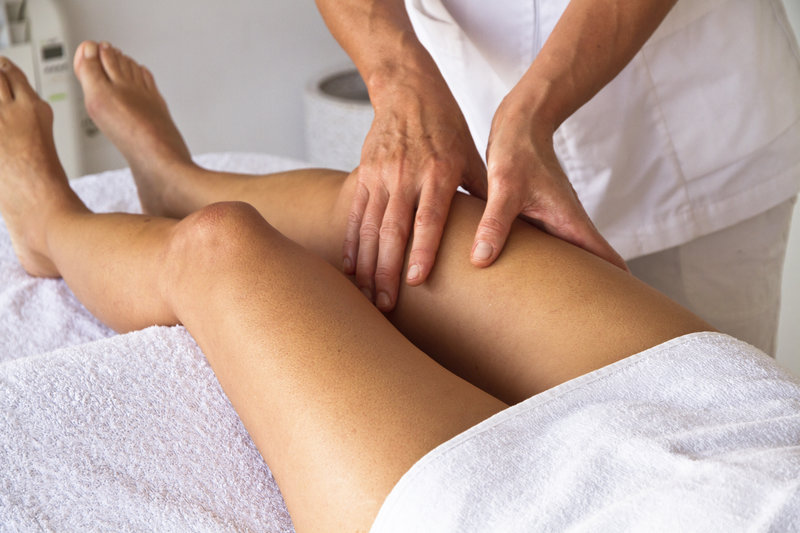
Nerve behavior is ever-shifting and hard to predict. Why nerves act they way they do at times can be hard to determine. According to WebMD, research shows that almost half of those suffering from nerve pain seek out alternative, natural approaches to treat their conditions. Finding the combination of treatments that work for you can help restore you to a more vibrant life. What advantages do natural treatments have over conventional methods? What natural treatments are available? Empower yourself with knowledge so you can put yourself back in control of your body.
Why Choose Natural Treatments for Peripheral Neuropathy
Conventional methods for neuropathy treatment often involve pharmaceuticals and strong painkillers. Some medications contain opioids that can lead to dependence and addiction. Anti-seizure medications are sometimes prescribed but come with side effects like drowsiness and dizziness. Topical creams can cause skin irritations adding insult to injury. Some antidepressants have been found to effective, but they too come with unwelcome side effects such as: dry mouth, nausea, drowsiness, dizziness, decreased appetite and constipation. Other, more invasive treatments include surgery. But, surgery comes with its own risks and disadvantages. When it comes to treatment planning for your neuropathy symptoms, the least invasive form of action should be tried first.
What Natural Treatment Options are Available?
Your body has the capability to do amazing things, including the ability to heal, and soothe itself. Natural or alternative treatment options for neuropathy boost your body’s innate powers allowing you to cope and treat your condition without the risks and side effects of drug or surgical based options. Common natural treatment options available to patients suffering from peripheral neuropathy include:
Anti-inflammatory nerve injections: Anti-inflammatory shots reduce inflammation and swelling in the area, which greatly diminishes the pressure on the surrounding nerves. The pain will dissipate as the pressure on the nerves is reduced. Pain relief is also immediate, due to the precise application of the treatment.
Physical therapy: Depending on the cause, type, and symptoms of your peripheral neuropathy, the approach to care will vary. Many patients find relief and a return to functionality through various exercises and stretches that physical therapy prescribes.
Transcutaneous electrical nerve stimulation (TENS): Electrodes placed on the skin deliver a gentle electric current at varying frequencies. TENS is applied for 30 minutes daily for about a month for optimum effectiveness.
Massage Therapy: Massage therapy is a simple, safe holistic approach to treating nerve pain. The pressure placed on the painful area may feel uncomfortable at first but once the massaging of the tissue is felt deep within, the nerve pain often resides. Massage therapy helps increase blood flow which can help send vitamins, nutrients and antioxidants to damaged areas.
Nutritional Assessment: A great tool in assessing what is causing your neuropathy symptoms is a nutritional assessment. High blood sugar levels severely damage nerves, leading to further complications that only make it harder to stay healthy. 30% of nerve issues are caused by the damaging effects of diabetes. Many patients find out that they have severe nutrient deficiencies after a nutritional assessment and are amazed to see their symptoms disappear once they change to a balanced diet.
LED Therapy: Research has shown how LEDs (light-emitting diodes) work in conjunction with medical devices to emit infrared (IR) light that helps dilate blood vessels at the site of treatment. Infrared light has the power to help trigger the release of nitric oxide from red blood cells and blood vessels at the site of treatment. Releasing nitric oxide improves circulation and blood flow that could be causing your neuropathy symptoms. Light therapy can safely, and naturally, treat your neuropathy symptoms without resorting to more invasive procedures or medications.
Exercise: Exercise triggers the release of natural painkillers called endorphins. It also supports healthy blood flow to the nerves in the legs and feet. Scientists believe that regular exercise fosters a long-lasting expansion in blood vessels in the feet, helping nurse damaged nerves back to health. Start by just getting moving. It doesn’t have to be far or fast, then gradually increase your pace and distance.
Take a Warm Bath: Warm water temporarily increases blood flow to the legs and can help ease stress as well.
Kinesio Taping: Kinesio taping helps to relieve muscle load on compressed nerves. This can help with inflammation and pain symptoms.
Take an Active Role
Engage in the health of your body. Your dedication to taking care of yourself at home and recruiting the help of a professional can keep your body performing for you now and in the years to come. Don’t take any changes in your body’s behavior lightly. At the first sign of troubling symptoms, act. When it comes to neuropathy, you can never be too careful!