Facts You Need to Know About Peripheral Neuropathy

Experimental Molecular Therapy for Restoring Nerve Insulation
October 31, 2019
Where Can Neuropathy Happen?
November 9, 2019
In your body, you have your central nervous system and peripheral nervous system. This consists of the brain, spinal cord and all the nerves throughout your body. When one of your nerves is damaged or compressed, you will experience symptoms of peripheral neuropathy. Those symptoms include numbness, weakness, tingling, burning and more. Your daily activities or your lifestyle could be causing your symptoms. However, you have to know what the causes of peripheral neuropathy are so that you can remedy them. Find out what this type of neuropathy does, what therapies help treat it and what happens if you don’t seek medical help for your symptoms!
Systems of the Body
You have many systems in your body that allow your body to function. These systems include:
- Circulatory System
- Endocrine System
- Digestive/Excretory
- Integumentary/Exocrine
- Muscular
- Nervous System
- Lymphatic/Immune
- Reproductive
- Skeletal
- Respiratory
- Renal/Urinary System
All of these systems must function properly or you will experience health problems. Within each of these systems are even more systems that network throughout your body. One such system is your nervous system, as mentioned. Your nervous system is broken down into your central nervous system and the peripheral nervous system. The central nervous system consists of some of the most important systems—your brain and spinal cord. Without your brain, you would not function. Without your spinal cord, no messages could be sent throughout your body for all the rest of the systems to work and keep you alive.
Peripheral Nervous System
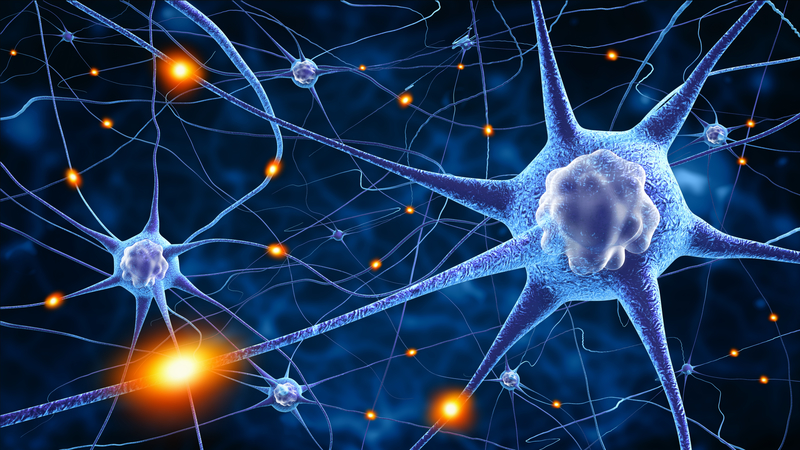
The central nervous system allows you to interact with your environment. It allows you to see, touch, smell, feel and much more. However, it must connect throughout the different body systems to pull information from all over the body. It does this through the peripheral nervous system, or the nervous system that branches off of the central nervous system. It is made up of billions of nerves located in every part of your body. These nerves are throughout every system, and are what communicates with your brain. You need all of your nerves to work together to get the right signals to where they need to be. If even one nerve is damaged or defective, a signal can’t be sent, or it isn’t sent well. That is how people end up with peripheral neuropathy symptoms, or symptoms that happen because nerves aren’t working properly.
Peripheral Neuropathy
Peripheral neuropathy won’t affect everyone, but it will affect over 20 million people in the United States at any given time. This is a term, as we mentioned, that means “nerve damage or defect”. Think of this as a radio station that starts to have interference. Instead of hearing a song you were listening to, you will start to hear static instead, or the song will be choppy. It works that way with peripheral neuropathy. When pressure on a major peripheral nerve blocks it’s signal, your body will start to have varying symptoms. Those symptoms will be different in everyone, but are usually one of these or a combination of these symptoms:
- Numbness
- Tingling
- Weakness, especially in a certain limb or part of the body
- Limited range-of-motion (such as in the back)
- Headaches and migraines
- Chronic pain
- Fatigue, especially in the area that the nerves are damaged
- Stiff neck muscles
- Inflammation in the knees, calves, back or shoulders
- Foot and ankle pain (if a nerve in your leg is damaged)
Some patients have many of these symptoms, while others will only have numbness, or a complete lack of feeling in a certain part of their body.
Facts to Know
There is so much to learn about peripheral neuropathy! This condition can change depending on the cause and treatment will vary in every patient. Sometimes changing your nutrition can stop your neuropathy symptoms from happening. This is because nutrient deficiencies (such as a lack of vitamin B) cause cause problems in your body. Fix the problem, and you fix the symptoms. However, peripheral neuropathy is generally the result of a chronic condition or disease, such as arthritis, Lyme disease or hypothyroidism. Here are some more facts:
- Some forms of neuropathy are treatable, such as ones caused by nutrient deficiencies, alcohol problems, pinched nerves, poor posture, and other lifestyle habits.
- About 30% of neuropathy cases are idiopathic, meaning they have no discernible cause.
- 30% of nerve problems are caused by the effects of diabetes. Diabetic neuropathy is very common.
- If your neuropathy is caused by nutrient deficiencies, take a B12 supplement or eat foods such as meat, eggs, fortified cereals, poultry and fish, that are high in B12.
- There are more than 100 types of peripheral neuropathy in the body.
- Mononeuropathy is when one single nerve is damaged, compressed, or defective. Polyneuropathy is when more than 2 are damaged.
- If you have two different parts of your body that are affected by neuropathy, it is called “multiple mononeuropathy”. This is when a nerve is damaged in two separate locations in the body, and you are experiencing neuropathy symptoms in both areas.
- Physical therapy and chiropractic centers provide many treatments for patients that have neuropathy problems. They can provide natural healing solutions that can diminish your symptoms and make life easier.
Each person gets peripheral neuropathy for different reasons. To find out the cause of your neuropathy and what to do about it, seek the help of a medical professional.