Before and After Peripheral Neuropathy

What Can Be Done for Neuropathy in the Feet?
January 8, 2020
Help for Hand Neuropathy
March 2, 2020
Only about 20 million Americans have peripheral neuropathy, and sometimes the symptoms can be completely debilitating. If you are struggling to find out why peripheral neuropathy happened to you, we can help determine the cause so it doesn’t happen to other parts of your body. After you’ve already developed neuropathy, we can also help you with treatment recommendations to help soothe your symptoms or take them away as best as possible.
How Can Neuropathy Happen?
Neuropathy is an interesting and tricky thing to have. Some patients sustain an injury, which leads to immediate peripheral neuropathy symptoms such as tingling and chronic pain. Others will notice an abnormal numbness that comes and goes, or that settles in more strongly over time. We say that neuropathy is “tricky” because the cause of peripheral neuropathy varies from patient to patient, and it can literally happen anywhere at any time.
Research suggests that the human body has around 100 billion different neurons. These neurons are the parts of your nerves that communicate with your body, especially your brain. In the nervous system, information is constantly sent to the brain through electrical impulses produced by your neurons. When you touch something hot or cold, you know right at the instant you do it what you are feeling. That’s all thanks to neurons! You can damage just one of those 100 billion neurons and you feel the effects in your body. Those effects are called neuropathy symptoms and they can include:
- Chronic pain
- Numbness
- Tingling
- Burning
- Headaches and migraines
- Stiff muscles (especially in the neck)
- Weakness or tremors
- Limited range-of-motion
- Inflammation and swelling
- Symptoms that come and go
Small Habits to Change
There are many people that will experience neuropathy that only lasts for a small amount of time. This can be due to an injury or something as simple as improper posture or wearing the wrong shoes. You will have to meet with a medical professional to know if your neuropathy is easily correctable or if it is treatable, but more long-term. If you have neuropathy, see if some of your daily habits before your diagnosis were the reason you have symptoms in the first place. Some things to consider changing:
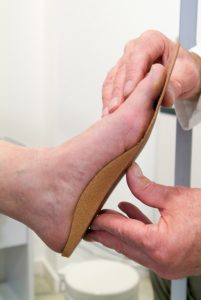
- Better shoes/insoles. Many people don’t wear good shoes or have good foot support. If your feet or legs hurt, especially throughout the day, try getting a really good pair of shoes. Running shoes with good support can help with neuropathy symptoms. There are many insoles and customized orthotics that can help reduce or eliminate symptoms as well.
- Sit up straight! Posture can make a major difference in your health. If you slouch or have a desk job where you sit in an uncomfortable chair, you may get neuropathy symptoms.
- Move around! If you tend to sit most of the day working or lounging, make sure you get up and move every hour! Aim for at least 200 steps walking around or a few minutes every hour. This will increase circulation and help ward off neuropathy problems.
- Capsaicin. Sometimes capsaicin cream can reduce pain in areas affected by neuropathy, especially if you have arthritis.
- Healthy diet. Nutrient deficiencies can lead to damaged nerves and neuropathy symptoms. Eat a healthy diet and cut out all the sugar, processed foods and unhealthy drinks everywhere you can.
- Avoid alcohol and tobacco. Many patients that use tobacco products and drink alcohol experience peripheral neuropathy. Cut these out of your life and watch how your symptoms reduce or go away!
Treatments to Help Peripheral Neuropathy
Do you have peripheral neuropathy that has been around for awhile or that is from a chronic condition? After finding out you have neuropathy and why, these treatments are beneficial for relieving more long-term symptoms:
- Anti-Inflammatory Injections. These injections reduce inflammation and swelling in an area, which helps with pain. As pressure on the nerves reduce, pain and symptoms start to reduce as well. Injections are great for chronic conditions that continually produce neuropathy symptoms.
- Physical Therapy. Injuries that cause neuropathy can get better through physical therapy. This therapy is customized to the patient and, as you heal, your symptoms will start to go away.
- Electrostimulation. Speeding up circulation with gentle electrical impulses can help improve nerve health and neuropathy symptoms. This is especially helpful for diabetic patients after receiving their neuropathy diagnosis.
- Kinesio taping. If you have problems over and over with the same areas, try kinesio taping. This taping is especially helpful for relieving muscle load and pressure on compressed nerves.
- LED Therapy. This works similar to electrostimulation, but uses light to help nerve health and to dilate blood vessels at the site of treatment.
- Massage therapy. After a neuropathy diagnosis, massage can help relieve symptoms, nerve compression and more when symptoms flare up.
Get Help
We can tell you all day about treatments to help your neuropathy, but it does you no good unless you actually try those treatments out. You may only have neuropathy symptoms in a small part of your body. Should you seek treatment for that neuropathy? Can you live with it? Sometimes runners will hurt a metatarsal in their foot, which causes numbness, chronic pain, or other neuropathy symptoms in their foot. Pain may make you seek treatment, but some don’t if they just have numbness. However, we urge you to seek treatment for your symptoms even if they are small.
Peripheral neuropathy symptoms happen so that you will know there is a nerve problem in your body. If you let symptoms continue, you can find yourself with permanent nerve damage that can no longer be fixed. However, if you start treatment right away (which is sometimes very simple such as changing a shoe insole), then you can fix the problem with no permanent damage. Bottom line: listen to your body, change habits that cause neuropathy, get early treatment for symptoms, and enjoy your life better.