
Help for Hand Neuropathy

Before and After Peripheral Neuropathy
January 22, 2020
What is Cryptogenic Sensory Peripheral Neuropathy?
March 3, 2020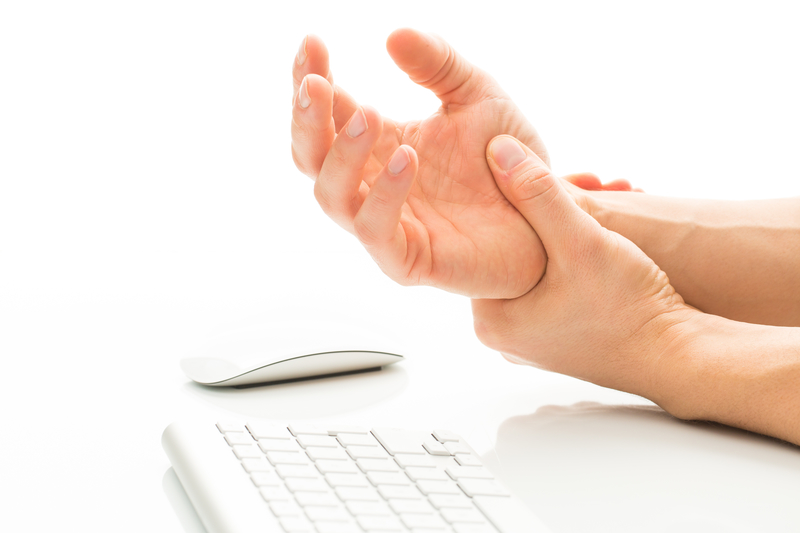
When many people think of neuropathy, they generally think of diabetic neuropathy, or neuropathy in the legs. However, neuropathy can also affect other parts of the body, such as the hands, arms or even the face. Why does neuropathy happen in these areas? What can patients do if they can’t feel their face or hands? Find out how peripheral neuropathy affects limbs other than the legs and feet, and what patients can do to help relieve their symptoms!
Where Can Neuropathy Happen?
The National Institute of Neurological Disorders and Stroke reports that over 20 million Americans have some form of peripheral neuropathy. About 60% of these neuropathies stem from complications of diabetes, where the legs are generally affected. However, peripheral neuropathy can also stem from autoimmune disorders, injuries, surgeries and from any chronic condition where the peripheral nerves are affected.
The peripheral nerves comprise all of the nerves in the body that lie outside of the brain and spinal cord. Because Your body has over 90 billion nerves, you can have neuropathy symptoms happen anywhere. The legs and feet are the most common areas for patients to experience neuropathy problems. However, the face, arms, and the hands are also common areas for neuropathy to happen.

Hand Neuropathy
There is a common form of hand neuropathy that many people don’t even realize is hand neuropathy. It’s called “Carpal Tunnel Syndrome”, and is when neuropathy symptoms affect the carpal tunnel of the wrist. This is an opening in the wrist that allows the median nerve to pass through and up the arm. If a tendon swells in the hand area due to injury or overuse, that swelling will compress nerves in the hands. This leads to hand neuropathy symptoms such as numbness that starts in the thumb or index finger.
This is the most common form of hand neuropathy, if a person gets it. It is possible to get hand neuropathy in other areas as well, but in many cases, a patient is dealing with carpal tunnel. Other symptoms they might experience include:
- Pins and needles feeling
- Sharp pains that radiate up the arm
- Stiff fingers upon waking
- Sensations of swelling with no visual confirmation
- Burning and tingling in the hand and fingers
Patients can experience symptoms for a few days if they stop using their hand right when they notice pain and numbness symptoms setting in. However, Carpal Tunnel Syndrome can last a patient weeks and even months, especially if they don’t seek treatment for their hand neuropathy.
Treating Hand Neuropathy
Just like any other type of peripheral neuropathy, there may not be a cure. There are many patients that experience full nerve regeneration after an injury, surgical procedure or accident. However, there are some patients that never heal from certain types of nerve damage. Our hope is that your hand neuropathy can heal over time.
You can give yourself the best chance possible by using natural therapies to help boost healing. Some natural treatments for hand neuropathy such as Carpal Tunnel include:
- Strengthening and stretching exercises that are customized to build wrist strength and to reduce swelling.
- Heat therapy done in correlation with hand exercises. This can be done with various forms of heating mediums, such as performing hand exercises in heated therapy sand.
- Nerve testing at a rehabilitation facility to rule out other potential wrist or nerve injuries.
- Pain management options that don’t require the use of narcotics.
- Physical rehabilitation services at a chiropractic or physical therapy center.
- Cortisone shots directly into the wrist to calm the irritated nerve and to reduce swelling.

Why You Need Treatment
Why should you seek treatment for your hand neuropathy? There are many people that simply try to “shake off” their symptoms, which mean they basically ignore them. However, when a patient doesn’t know what is causing their hand neuropathy, or neuropathy symptoms in general, they significantly raise their risk further nerve damage without a medical evaluation. With hand neuropathy, you never want to ignore your symptoms. For one, you will struggle with daily tasks, and your symptoms could increase until you can’t perform tasks without assistance.
When you have nerve damage that is mild, not seeking treatment can lead to complete numbness of the fingers or hand, leading to minor paralysis. A patient can also:
- Lose their grip in the affected hand
- Have pain that interrupts their sleep
- Experience weakness that makes it hard to even use the hand for basic tasks
- Sustain atrophy of the hand and forearm muscles.
Nerves are very long cells that can span several inches in one area of the body from one nerve end to another. Damage that happens in one area can continue to spread without treatment. However, nerve regeneration in patients is possible, especially if they utilize treatments such as electrostimulation therapy, massage therapy, light therapy and more. These therapies help speed up circulation and movement to an area that has experienced nerve damage. If you have hand neuropathy—especially if you think it’s Carpal Tunnel Syndrome—seek out treatments and therapies today.